
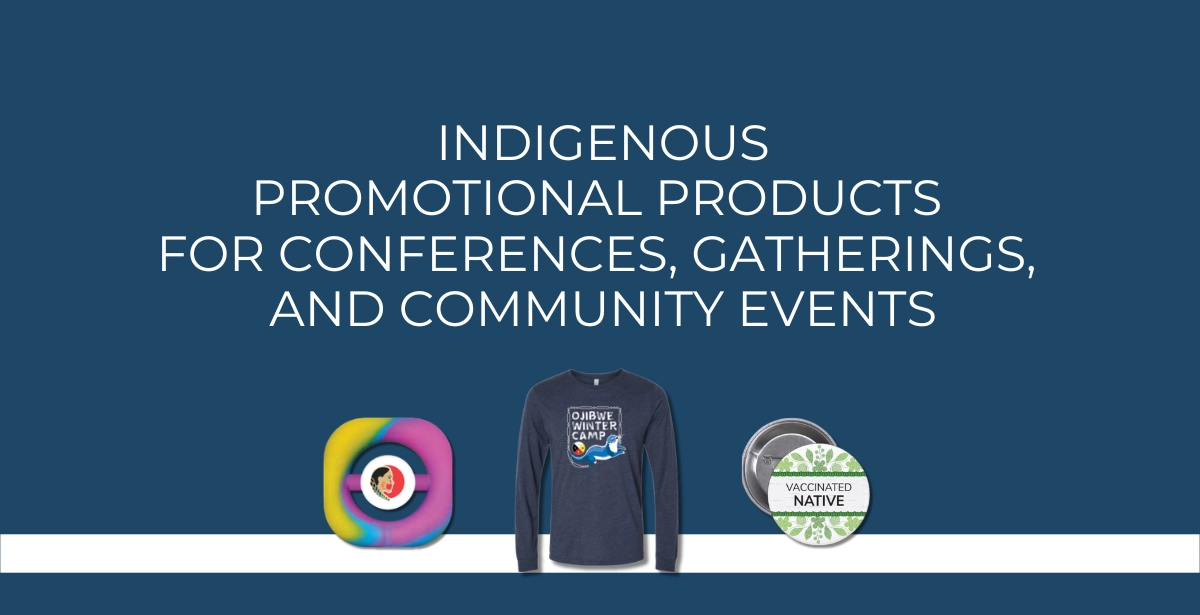
When selected with purpose, Indigenous promotional products can support community outreach, health initiatives, conferences, staff, families, and meaningful shared experiences. Big Spirit’s work with Native and community-focused organizations shows how considering the audience, message, cultural context, and intended use can lead to products ranging from age-specific outreach items to comfort products and custom event apparel, each chosen for a specific reason.
There are a lot of different types of gatherings and events that bring together tribal communities and those who support or serve Native Americans. A community event may bring together children, elders, families, staff, program participants, and visitors, all with different reasons for being there. Participation in a health fair may need to build awareness around an important initiative. A fundraiser may call for something participants can wear with pride or take home as a reminder of the experience. In each case, choosing a promotional product begins with understanding its purpose.
At Big Spirit Inc., we approach Indigenous promotional products as part of a larger marketing and communication strategy. Instead of starting with what is popular in an online product catalog, we consider the organization, audience, message, and setting. Our work with Native American organizations and community programs has included everything from apparel and reusable bags to stickers, buttons, fidget items, and comfort products.
Indigenous Promotional Products Should Have a Purpose
When an organization is preparing for a conference, gathering, health initiative, or community event, it is easy to focus on quantity. How many attendees do you expect? How many giveaways will you need? What can fit within the available budget? Those practical considerations matter, but they should not be the only questions guiding product selection.
We also want to know who will receive the item and what the organization hopes it will accomplish. Is the goal to increase awareness of a program? Give staff something recognizable to wear? Help people carry a message back into their communities? Provide families with something useful or comforting? Different goals can lead to very different product recommendations.
This is especially important when products support work connected to Native American communities. A branded item should not rely on generic ideas of what appears “Native” or “Indigenous.” Tribal nations, communities, organizations, and programs are distinct. The organization itself provides the context, purpose, and cultural direction, while our role as a marketing partner is to listen, collaborate, and help translate that vision into an effective finished product.
Matching the Product to the People Receiving It
One of the clearest examples of audience-driven product selection comes from Big Spirit’s work supporting a vaccination initiative with the Great Lakes Inter-Tribal Epidemiology Center (GLITEC). The program needed tools that could help promote vaccination in Indian Country while appealing to people across different age groups.
Rather than assuming one giveaway would resonate equally with everyone, we created different branded products with different audiences in mind. Tattoos and stickers offered options for kids and teens. Buttons and reusable grocery bags provided options that could work across a broader audience.
The strategy behind those choices matters as much as the Indigenous promotional products themselves. They become tools the program can use to share its message, create interest, and extend awareness beyond a single interaction.
This is why we think about promotional products through a marketing lens. We integrate product selection into the communication strategy instead of treating it as a separate task that follows all other planning.
Sometimes the Purpose Goes Beyond Brand Visibility
Not every promotional product needs to function primarily as advertising. Sometimes understanding the people receiving the item leads to a very different definition of value.
Big Spirit designed fidget spinners for the MN Missing and Murdered Indigenous Relatives Office (MMIR). The idea for this branded product connected to the reality that national and local events can affect children and their mental health. As children process difficult things happening around them, a tactile item such as a fidget can give them something to interact with and may help support a sense of calm.
If this project were viewed only as an opportunity to distribute merchandise, the conversation might center on what item could display the largest logo or attract the most attention. Looking at the people and circumstances surrounding the event creates a different question: what kind of item makes sense here?
Custom Apparel Can Carry Meaning Into an Event
Apparel can be especially powerful when it’s connected to the identity and purpose of an event. Big Spirit’s work with the University of Minnesota’s Center for American Indian and Minority Health for its 2026 Winter Games is one example.
The project began by learning about the heart of the event, including its purpose, community impact, and cultural significance. From there, our design team explored concepts influenced by Indigenous artwork, nature, and winter symbolism. The process included multiple rounds of collaboration rather than simply placing an existing logo on a standard shirt.
The final design became a four-location print created for participants and staff. It included full front and back graphics along with custom artwork extending down both sleeves. The result was apparel designed to reflect the pride, culture, and connection surrounding the Winter Games.
Projects like this demonstrate why custom apparel can become more than an event uniform or giveaway. People wear it. They appear in photographs wearing it. They may continue wearing it long after the gathering is over. When the design is meaningful to the event and the people participating, the apparel can become part of how they remember the experience.
That doesn’t mean every community event requires elaborate custom artwork. But the design and product should always fit the occasion. Sometimes a straightforward button is exactly right. Sometimes a reusable bag gives a program’s message a longer life. Other times, a significant gathering calls for apparel created specifically around the event.
Start With the Message, Not the Merchandise
Choosing Indigenous promotional products for a conference, gathering, or community event doesn’t have to begin with the question, “What should we give away?” A better starting point is, “What are we trying to accomplish, and who are we trying to reach?”
Those questions can lead to very different answers. GLITEC needed products capable of supporting a health initiative across age groups. MMIR chose a tactile item with children’s needs in mind. The Center for American Indian and Minority Health needed custom apparel tied closely to the purpose and cultural significance of its Winter Games. Each situation called for a different approach because each organization had a different audience and goal.
As a Native American-owned marketing firm, Big Spirit brings a marketing-first perspective to those decisions. We work with organizations to understand the purpose behind a project, explore products and creative solutions that fit that purpose, and manage sourcing and production coordination through trusted manufacturing and production partners. For Native American organizations, we also understand the importance of listening rather than making assumptions about a community’s culture or needs.
If you are planning a conference, community initiative, gathering, outreach program, or other event, explore Big Spirit’s promotional product services.
Frequently Asked Questions:
What promotional products work well for tribal conferences?
The right products depend on the conference audience and what organizers want attendees to take away from the experience. Useful merchandise, apparel, reusable products, event-specific items, and products that reinforce the program’s message may all be appropriate options.
How should we choose promotional products for a community event?
Begin with the audience and the purpose of the event rather than selecting merchandise first. Consider who will receive the products, what you want them to remember, how the products will be used, and what budget and production requirements need to be met.
Can different age groups receive different promotional products?
Yes. Matching products to different audience groups can make a campaign or event more relevant. For its work supporting GLITEC, Big Spirit helped create different products for various age groups, including stickers, tattoos, apparel, buttons, and reusable grocery bags.
Can promotional products support a community health initiative?
Promotional products can serve as communication tools that help organizations share messages and create awareness around programs or initiatives. Product selection should support the program’s goals and be appropriate for the people the organization hopes to reach.
How can Indigenous promotional products be culturally appropriate?
Cultural appropriateness begins with listening to the organization and respecting the distinctions among tribes, communities, and programs. A marketing partner should not rely on generalized Indigenous imagery or make assumptions about what represents another community.
Are promotional products only meant to advertise an organization?
No. A product can serve many purposes beyond traditional advertising, including staff identification, outreach, education, event participation, comfort, and community connection. The intended purpose should influence which product you choose.
How does Big Spirit approach Indigenous promotional products?
We start by learning about the organization, audience, message, and purpose behind the project. We then help identify appropriate solutions and manage sourcing and production coordination while respecting the cultural direction provided by the client.