
Choosing a tribal marketing agency can involve considerations that go beyond services and deliverables. Cultural understanding, personal communication, funding structures, and familiarity with the realities facing Native organizations can all shape working relationships. Drawing from Big Spirit’s real conversations and experiences, this article explores why shared understanding can create a stronger starting point while still respecting the distinct needs, cultures, and goals of every tribal organization.
For tribal organizations, marketing can involve communication styles, funding structures, community priorities, and cultural understanding that may not be obvious from a standard project brief. Working with a partner who already understands some of that context can make it easier to move from an initial conversation to a meaningful partnership.
As a Native American-owned tribal marketing agency, Big Spirit Inc. brings both professional marketing experience and lived perspective to client projects. Founder and CEO, Shanne Soulier, is a citizen of the Red Cliff Band of Lake Superior Chippewa, and his experience influences how Big Spirit listens, communicates, and works with Native American organizations.
The Tribal Marketing Agency You Partner With Should Start With Understanding
When an organization needs marketing support, it can be tempting to begin with deliverables. How many brochures do you need? What promotional products should you order? What should the design look like? Before finding those answers, you should first begin with what your organization is trying to accomplish.
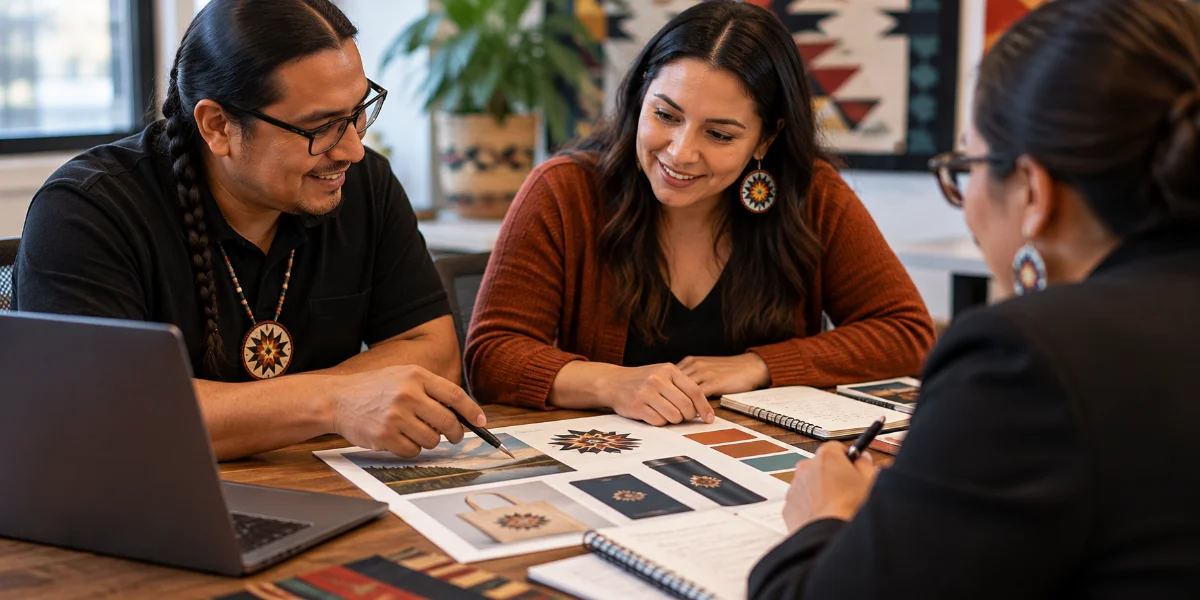
At Big Spirit, we prefer conversations that allow us to get to know the people behind the project. Phone calls, video conferences, and personal interactions give us an opportunity to hear more than the basic specifications. We can learn about your audience, the purpose of your project, your marketing priorities, and the circumstances that may shape how the work needs to happen.
That personal element is especially important when working across cultures and communities. Cultural understanding does not mean assuming we already know everything about a client because we share an Indigenous connection. Tribal nations and Native American communities are distinct, and every organization has its own goals and ways of working. Shared experience can certainly provide a great starting point for connection. We also believe that relationships and communication deserve time and attention and are important when partnering in marketing efforts.
Shared Experience Can Change the Conversation
Shanne sees the importance of that connection regularly when meeting people through conferences and events. At a recent Great Lakes Area Tribal Public Health Conference, attendees stopped at Big Spirit’s booth and expressed surprise that there was a Native American-owned company providing branded marketing and promotional product services. Some had been purchasing similar products from large online companies simply because they did not know an Indigenous-owned option existed.
Shanne often explains Big Spirit in straightforward terms: think of the promotional product companies organizations already use, but with the added opportunity to work with an Indigenous-owned marketing firm. The products may be similar to those available elsewhere. What changes is the relationship and the perspective behind the work.
Those conference conversations also reveal something important about how organizations choose partners. For some tribal organizations, finding an Indigenous-owned resource is itself valuable. They may want to direct spending toward Native American businesses while still receiving the quality, capabilities, and strategic support their project requires. When they discover that those goals don’t have to compete with each other, it can open the door to a different kind of partnership.
Understanding Funding and the Practical Side of the Work
Cultural understanding is only one part of a successful relationship. A marketing partner also needs to understand the practical realities that can affect how an organization operates. Funding is a good example.
Some tribal organizations, nonprofits, and community programs work with grant funding or other funding structures that don’t always fit a standard commercial purchasing process. Money may become available according to a particular schedule. Payment processes may require additional steps. A team may not have a credit card available for every transaction even when funding for the project has been approved.
Big Spirit has experience having those conversations. Rather than assuming every client can follow the same purchasing process, we want to understand the circumstances and determine what is workable. We recognize that a client may have constraints behind the scenes and we’re willing to talk through them.
Shanne recently experienced this firsthand when a woman’s colleague referred Big Spirit. She needed printed collateral and other items for an upcoming conference and specifically hoped to find a Native American resource. Her colleague immediately recommended Big Spirit, and within 24 hours, Shanne and the new contact were meeting by video to discuss the project.
During that conversation, she explained that there were budget and funding constraints they needed to work around. Instead of treating those constraints as an obstacle to the relationship, Shanne asked her to explain what the organization was trying to accomplish. From there, the goal was to determine what Big Spirit could make work within those parameters and, if something was outside Big Spirit’s capabilities, help point her toward another solution. That’s the kind of practical partnership that can develop when the conversation starts with the organization rather than the transaction.
Cultural Understanding Is More Than a Marketing Message
Organizations looking for a tribal marketing agency should recognize that cultural understanding goes beyond imagery, colors, language, or visual elements. Authenticity comes from understanding the people, purpose, and message behind a project, not simply incorporating cultural elements into a design.
At Big Spirit, we believe meaningful relationships begin with listening, respect, and a genuine interest in understanding the communities and organizations we serve. As a Native American and citizen of the Red Cliff Band of Lake Superior Chippewa, Shanne values his Indigenous identity while recognizing that every tribe, community, and individual has unique traditions, experiences, and perspectives. Being Native American is part of his personal identity, but it doesn’t mean assuming an understanding of another community’s culture or experiences.
That’s why our approach is centered on collaboration. We recognize that our clients know their communities best. Our role isn’t to determine what’s culturally appropriate or to speak on their behalf. Instead, we listen, ask thoughtful questions, and apply our marketing expertise to help communicate their message in a way that reflects their identity, values, and goals.
Whether we’re developing branded merchandise, printed materials, creative designs, or broader marketing initiatives, our goal is to ensure that each organization’s voice and purpose remain at the forefront. We believe the best marketing partnerships are built on trust, mutual respect, and a shared commitment to creating something meaningful.
Finding a Partner Who Understands the Bigger Goal
The best marketing relationships are not built around a single transaction. They are built around understanding what an organization is trying to accomplish and finding practical ways to support that work.
At Big Spirit Inc., we are a tribal marketing agency who listens first, learns what your organization is trying to accomplish, and then determines how we can best support your work. Sometimes that means finding a solution within specific constraints. Sometimes it means helping a client think differently about the project. And if we are not the right resource for something, we would rather help point you in a useful direction than force a solution that doesn’t fit.
If your organization is looking for a marketing relationship grounded in conversation, collaboration, and cultural respect, please contact us to start your project.
Frequently Asked Questions:
What is a tribal marketing agency?
A tribal marketing agency works with tribal organizations, Native-owned businesses, Indigenous programs, or related organizations on marketing and communications needs. The agency’s specific experience, ownership, capabilities, and cultural perspective can vary, so organizations should evaluate potential partners carefully.
Why might a tribal organization choose a Native American-owned marketing agency?
Some organizations value the opportunity to work with an Indigenous-owned business while receiving the professional marketing services they need. A Native-owned agency may also bring lived experience and cultural perspective that can help create a stronger foundation for communication and collaboration.
Is every tribal marketing agency familiar with all Native cultures?
No. Tribal nations, Indigenous communities, and Native people are diverse, and shared Indigenous identity does not mean someone automatically understands every community’s culture. A responsible marketing partner should listen, ask questions, and avoid making broad assumptions.
How does cultural understanding affect a marketing project?
Cultural understanding can influence communication, relationship-building, creative decisions, and how a marketing partner approaches the organization’s goals. It should support listening and collaboration rather than lead a partner to assume it already knows what a community needs.
Can a tribal marketing agency work with grant-funded organizations?
Some agencies have experience working with organizations whose projects depend on grants or other specific funding structures. Big Spirit understands that funding and payment requirements can vary and discusses those practical constraints with clients when planning a project.
What should a tribal organization look for in a marketing partner?
Look for a partner willing to understand the organization’s audience, goals, budget, timeline, and cultural context before recommending solutions. Communication style, relevant experience, capabilities, and willingness to collaborate are also important considerations.
Does Big Spirit only work with tribal organizations?
No. Big Spirit partners with tribal entities as well as nonprofits, government agencies, educational institutions, and other mission-driven organizations from all around the US. Its Native American ownership and Shanne Soulier’s experience as a tribal member provide additional perspective when working with Indigenous organizations.
How can a tribal marketing agency support culturally appropriate marketing?
A marketing agency can bring strategic and creative expertise while listening closely to the organization and the people who understand their community best. The goal should be to support the organization’s authentic voice, not impose generalized ideas about Indigenous culture.